
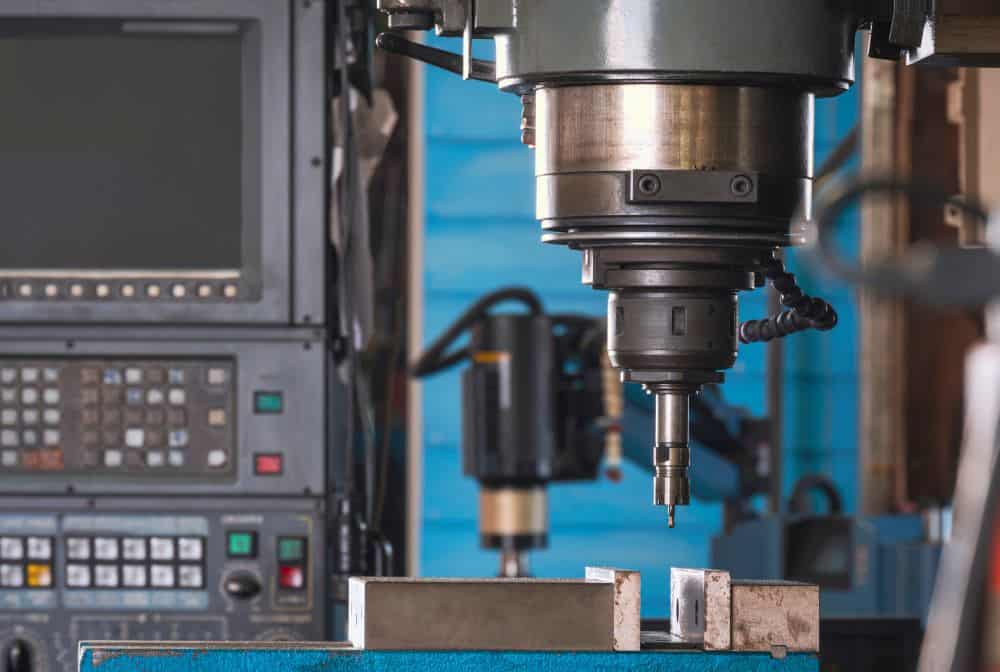
If you’re curious about the machining industry in Vietnam, you’re in the right place. This article will provide you with a concise overview of Vietnam’s machining world, highlighting economic growth, techniques, key players, and future trends. Let’s immerse and uncover the opportunities waiting for you in this thriving market.
Overview of the Machining Industry in Vietnam
Vietnam’s machining industry has seen remarkable growth in recent years. This rapid development is largely attributed to the country’s strategic location, burgeoning talent pool, and increasing foreign investment. As you explore the current world, you’ll notice that Vietnam is evolving from a low-cost manufacturing hub into a more sophisticated destination for precision machining services. Today, the industry encompasses various sectors, including automotive, electronics, and aerospace, all of which rely heavily on advanced machining processes. Whether you are looking to partner with a local firm or establish your own manufacturing unit, understanding this ecosystem is crucial for exploring Vietnam’s vibrant market.
Also, while the sector is advancing, machining vietnam still retains aspects of its traditional roots, blending classic methods with modern technology. This duality offers a unique set of solutions catered to both local and international clients, positioning machining Vietnam as a versatile and reliable choice.
Economic Growth and Opportunities in Machining
The economic growth of Vietnam has been nothing short of impressive. The government’s focus on industrialisation and modernization has created a favourable environment for the machining industry. With GDP growth rates consistently hovering around 6-7%, it’s no wonder that companies are flocking to Vietnam.
Among the many opportunities, you might consider:
- Manufacturing Partnerships: Many international businesses are looking for reliable local partners to enhance their operations.
- Talent Acquisition: With universities and technical schools actively nurturing engineering talent, finding skilled machinists is feasible.
- Export Potential: The trade agreements Vietnam has established allow for easier access to international markets, making it an attractive point for export.
Overall, if you position yourself strategically, you can leverage these economic trends to enhance your business or investment portfolio.
Key Machining Techniques Utilized in Vietnam
Several machining techniques are prevalent in Vietnam, helping companies meet diverse manufacturing needs. Here are some key methods you might encounter:
- CNC Machining: This method involves computer-controlled tools for precise cuts and shapes, used widely across various sectors.
- Casting and Forging: Traditional yet effective, these techniques remain popular for creating durable components.
- Milling and Turning: Essential for shaping materials, these methods are integral to the production line in many industries.
- Laser Cutting: Increasingly adopted for its accuracy and efficiency, laser cutting technology is becoming a staple in modern machining.
Understanding these techniques can help you pick the right partners or methods for your specific needs.
Major Players in Vietnam’s Machining Sector
The machining world in Vietnam is populated by several key players that stand out. Some of the notable companies include:
- FPT Industrial: Known for its innovative approach and robust manufacturing capabilities, FPT leads in heavy machinery.
- Hanel Viet Nam: Specialising in mechanical production and assembly, they provide a wide array of services to various sectors.
- Thang Long Investment Group: Focused on precision engineering and international collaboration, they’re gaining traction globally.
By aligning with any of these leading companies, you can open doors to new opportunities, resources, and networks.
Challenges Facing the Machining Industry
While the machining industry in Vietnam offers rich prospects, it’s not without its challenges. Here are some hurdles you may face:
- Quality Control: Maintaining consistent quality across varying production runs can be difficult, particularly for new entrants.
- Technological Investment: Staying competitive often requires significant investment in technology, which can strain resources.
- Labour Shortage: Even though a growing talent pool, finding highly skilled workers can sometimes be a struggle.
Being aware of these challenges allows you to strategize effectively, ensuring you mitigate risks before diving in.
Future Trends in Vietnam’s Machining Market
Looking ahead, several trends are set to shape the future of the machining industry in Vietnam. Here are a few:
- Automation and Robotics: The adoption of automation technologies is on the rise, promising to improve efficiency and reduce labor costs.
- Sustainable Practices: Environmentally friendly manufacturing processes are becoming essential, reflecting a global push towards sustainability.
- Investment in R&D: Expect to see increased investment in research and development, leading to innovations in production and materials.
By keeping an eye on these trends, you can better prepare for future opportunities and shifts in the market.
Conclusion
To conclude, the machining industry in Vietnam stands at a pivotal point. With impressive economic growth, a variety of machining techniques, and a few challenges to navigate, there’s potential for your business to thrive. As you consider your next steps, whether it’s investing, partnering, or exploring new technologies, remember, the world is rich with opportunities. By understanding the market dynamics and aligning with the right players, you can position yourself for success in this exciting industry.